
Short answer
A business evaluating a commercial or industrial solar project should look at the suitability of the roof or land, its electrical load and infrastructure, the assumptions behind the energy-yield estimate, the exact EPC scope and responsibilities, equipment documentation, installation safety, and how the system will be operated and maintained after commissioning.
Start with the site and the load
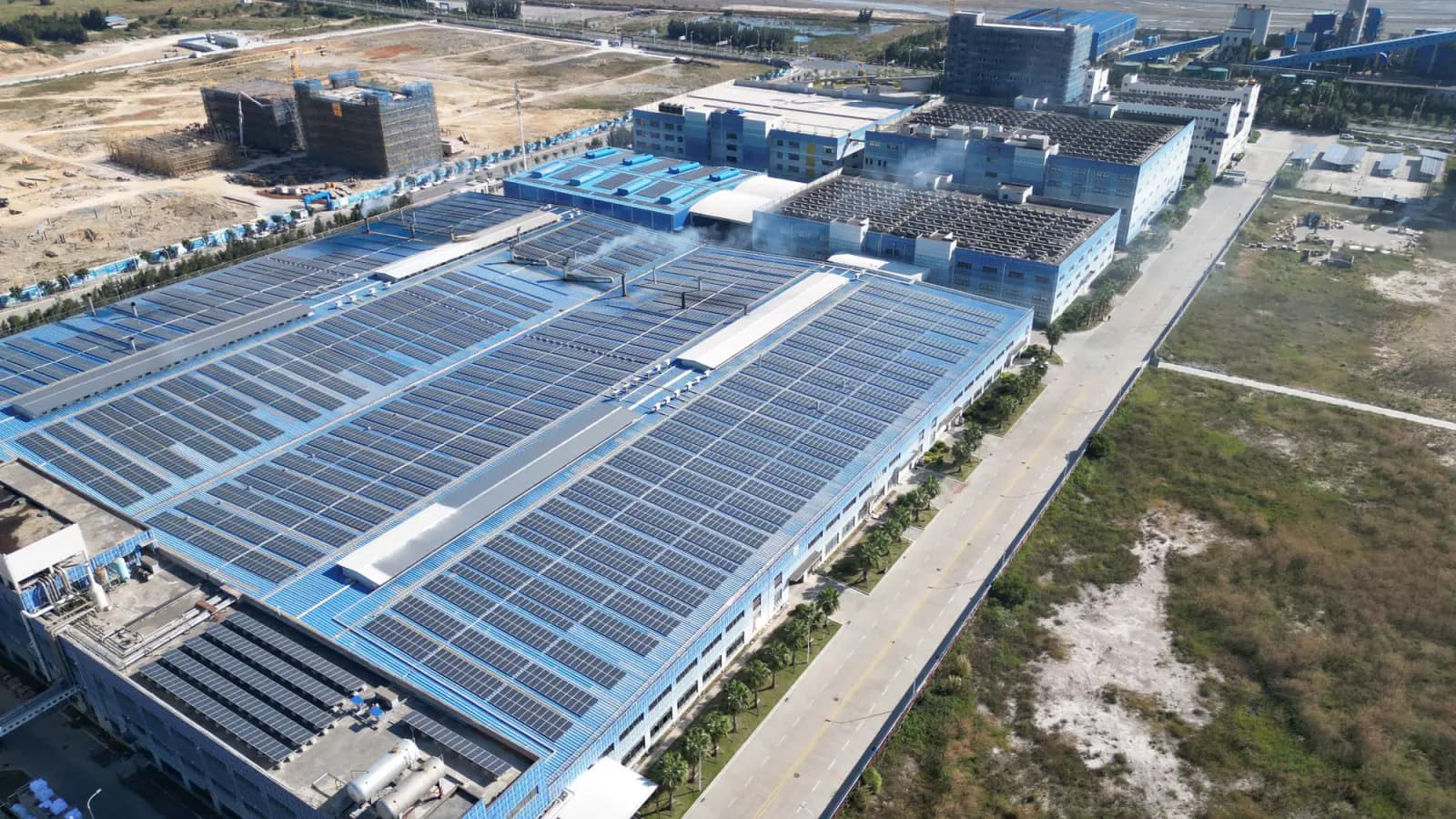
Every commercial or industrial site is different, so a sound solar proposal starts with the site, not with a standard package. The key inputs are the roof or land available, the structural condition of the roof, shading from nearby buildings and equipment, and the site's electrical infrastructure. How much electricity the site uses, and when, shapes how large a system makes sense.
| Factor | Rooftop | Ground-mounted |
|---|---|---|
| Space | Limited by roof area and layout | Needs open land |
| Structure | Roof strength and condition must be checked | Foundations and structures are designed for the ground |
| Shading | Equipment and nearby buildings can shade modules | Layout can be planned to reduce shading |
| Connection | Connects within the site's electrical system | May need cabling to the point of use |
Ask what the estimate is built on
Any estimate of generation or savings rests on assumptions about sunlight, losses, equipment performance and electricity use. Ask for the energy-yield and system-loss analysis and read the assumptions. Be cautious about claims of specific savings that do not state them. A good proposal explains how its numbers were reached so that you can check them.
Compare proposals on scope, not just price
Two proposals with similar prices can cover very different work. List what each includes, using the EPC stages as a guide: site survey, engineering, equipment supply, civil and structural work, mounting structures, AC and DC electrical works, testing and commissioning, and grid connection support. Check who handles approvals with the electricity utility, and what is left to you.
- Is the design specific to your site?
- Are modules, inverters and other major equipment named, with datasheets?
- Who is responsible for approvals and the utility connection process?
- What testing is done, and what documents do you receive at handover?
- What safety practices apply to work at height and electrical work on your premises?
Think about operation and maintenance early
A solar system keeps working for many years, and its output depends on how it is looked after. Ask what operation and maintenance support is available after commissioning, and who will carry it out. Solaris lists operation and maintenance as a business segment aimed at long-term plant performance.
A short evaluation checklist
- Survey the site: roof or land, structure, shading and electrical infrastructure.
- Understand your load: how much electricity you use and when.
- Request the energy-yield assumptions in writing.
- Compare the EPC scope item by item.
- Confirm equipment, testing, safety and handover documents.
- Agree operation and maintenance arrangements.
Solaris designs customized rooftop and ground-mounted solar solutions for factories, warehouses, commercial buildings and institutions. See the commercial and industrial solar page for what the service includes.
Common questions
- Does Solaris Green Energy work on commercial and industrial solar projects?
- Yes. Commercial & Industrial Solar is one of Solaris's business segments, covering factories, warehouses, commercial buildings and institutions.
- Can a solar project be rooftop or ground-mounted?
- Both are possible, depending on available roof and land. Solaris designs customized rooftop and ground-mounted solutions for commercial and industrial sites.
- How much will a solar system save?
- That depends on the site, the electricity use, the design and the assumptions used, so it cannot be answered in general. Ask any provider to show the assumptions behind its estimate.