
Short answer
PM-KUSUM is a Government of India scheme that promotes solar power for agriculture. For a decentralized solar plant under it, EPC planning centres on confirming which component and guidelines apply, choosing a site with a suitable grid connection point, specifying equipment that meets scheme requirements, and planning construction, testing, commissioning and grid synchronization together.
What PM-KUSUM is
PM-KUSUM stands for Pradhan Mantri Kisan Urja Suraksha evam Utthaan Mahabhiyan. It is a scheme of the Government of India, administered through the Ministry of New and Renewable Energy and state agencies, aimed at solar power for agriculture. It is generally described in three components: decentralized, ground-mounted, grid-connected solar power plants; standalone solar agriculture pumps; and solarisation of existing grid-connected agriculture pumps.
Guidelines, eligibility, capacity limits, tariffs, timelines and procedures are set by the central and state authorities and have changed over time. Always verify the current rules before planning a project. This article describes EPC considerations in general terms and is not a substitute for the official guidelines.
Where EPC fits in
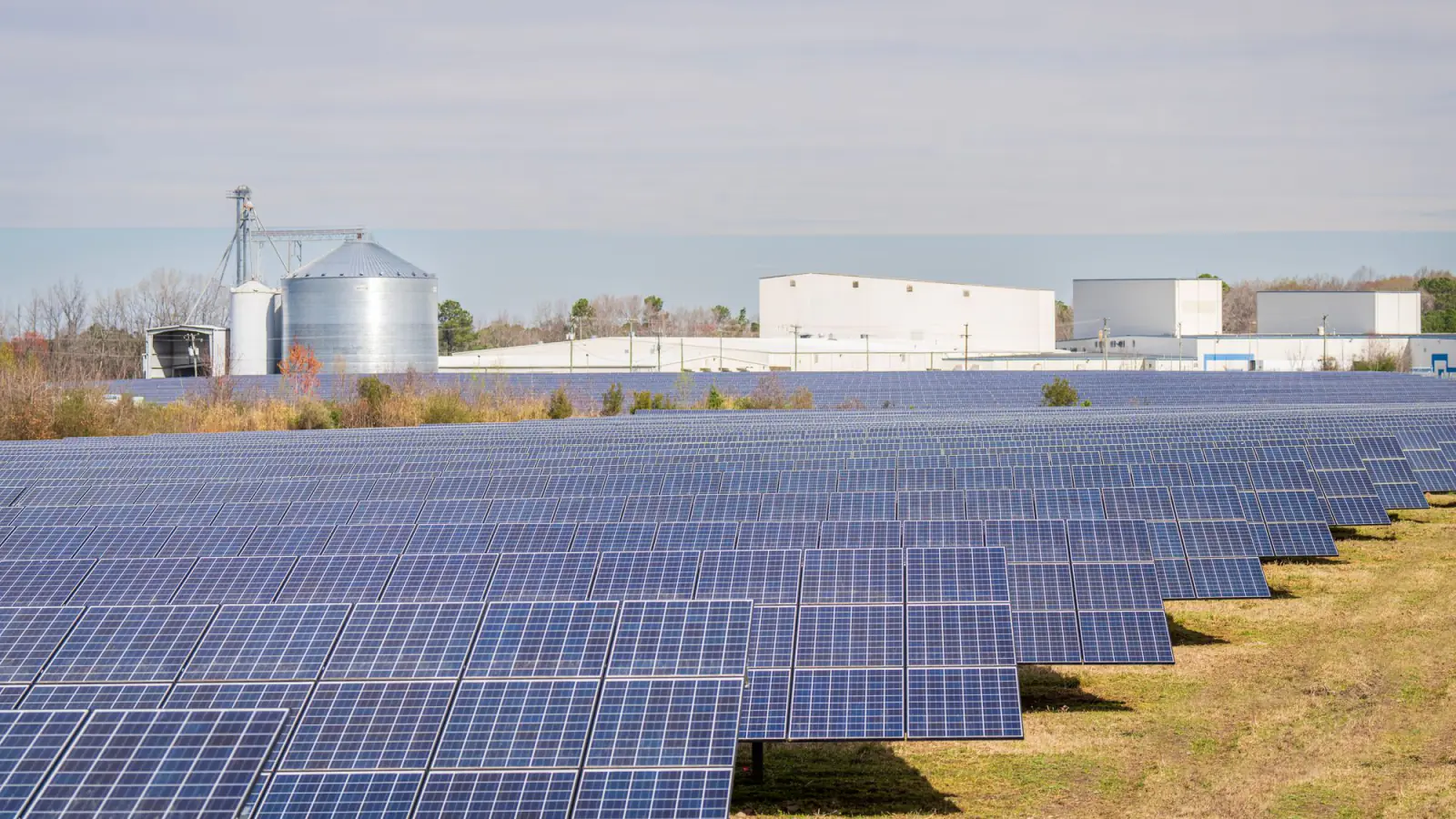
The decentralized plant component is the one most relevant to an EPC contractor, because it involves engineering, supplying and building a grid-connected plant. Solaris lists PM-KUSUM projects as one of its business segments, covering the development and execution of decentralized solar power plants under the scheme, including engineering, equipment procurement, construction, testing, commissioning and grid synchronization support.
Planning considerations
| Topic | What to settle | Why it matters |
|---|---|---|
| Applicable guidelines | Which component, capacity limit and procedure apply today | Rules change, and compliance affects eligibility |
| Site and land | Land availability, ownership or lease, access and distance to the connection point | Land and connection distance drive cost and schedule |
| Grid connection point | Which substation or feeder the plant will connect to and its available capacity | The plant cannot export without it |
| Design | Layout, capacity, equipment and electrical design for the site | Design sets performance and construction work |
| Equipment | Modules, inverters and balance-of-system items that meet scheme requirements | Non-compliant equipment can cause delays or rejection |
| Documentation | Records the scheme and the utility require at each stage | Missing documents hold up commissioning |
Execution and commissioning
Execution follows the usual EPC sequence at a decentralized scale: civil and structural works, module mounting structures, DC and AC works, and the connection works needed at the grid end. Testing and commissioning then verify the plant, and grid synchronization support helps it start exporting. The full sequence is explained in the solar EPC project lifecycle.
Because the plants are decentralized, each one is a separate site with its own connection point, so schedule and documentation need to be managed project by project.
Key considerations checklist
- Confirm the current official guidelines and which component your project falls under.
- Check land documents and the proposed connection point before engineering starts.
- Ask your EPC company how scheme requirements are reflected in equipment selection.
- Agree who prepares and submits each document or approval.
- Plan commissioning, grid synchronization and the handover of records from the start.
- Decide how the plant will be operated and maintained after commissioning.
Common questions
- Does Solaris Green Energy work on PM-KUSUM projects?
- Yes. PM-KUSUM Projects is one of Solaris's business segments. Solaris develops and executes decentralized solar power plants under the scheme.
- Where can I find the current PM-KUSUM rules?
- The official guidelines are issued by the Ministry of New and Renewable Energy and the relevant state agencies. Always check their current publications, because rules and timelines change.
- What does an EPC company do on a PM-KUSUM plant?
- Typically engineering, procurement of equipment, construction, testing, commissioning and support for grid synchronization. The exact scope is set in the contract.